No Blog, More ChatGPT Visits: 22 to 95 at a Small Store
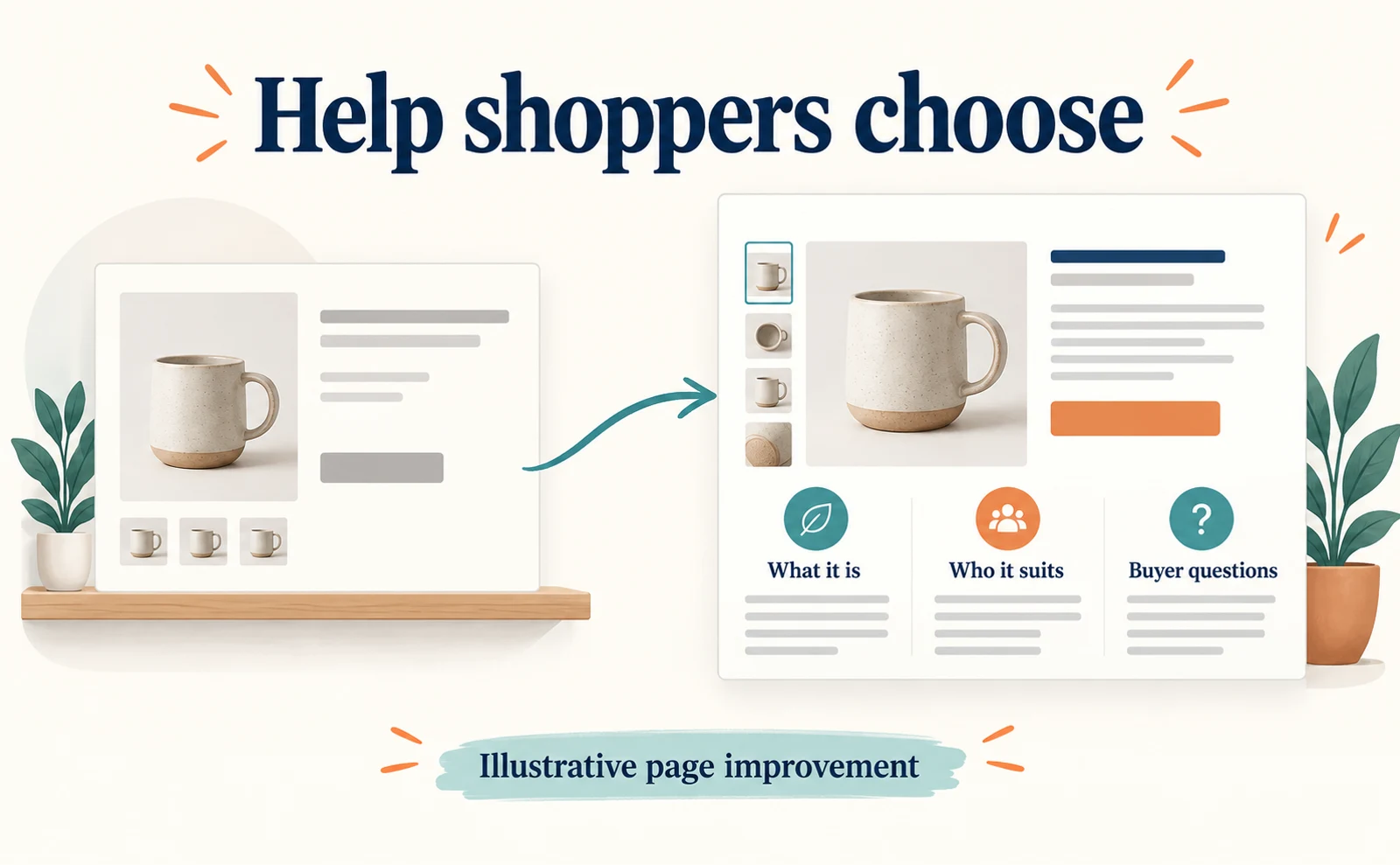
A small store's reported ChatGPT growth leads into a practical product-page exercise: verify buyer questions, edit descriptions, check the storefront, and measure visits separately from purchases.
Before adding a blog, help shoppers choose on the product pages already in front of them. A small store's experience offers a practical starting point for AI search optimization: making a business and its products easier to understand and discover in AI answers.
This guide is for store owners who can edit product descriptions but do not have a content team. The suggested exercise is to choose one product, identify missing answers, update its description, and check what customers can actually read.
The store improved existing pages
Australian agency Elinix AI reports that an unnamed Shopify store's ChatGPT visits rose from 22 to 95 across two 28-day periods: July 21–August 17 and August 18–September 14, 2026. Its September 15 self-reported case describes four changes: collection guidance, machine-readable FAQs, a clearer homepage introduction, and buyer-question headings on product pages. No blog was added. Individual effects were not isolated. Its AI traffic totals disagree with the breakdown, so we omit those totals and make no revenue claim.[1]
Choose one product to improve
The following exercise is our recommendation. It is not a reconstruction of the store's unpublished copy or internal workflow.
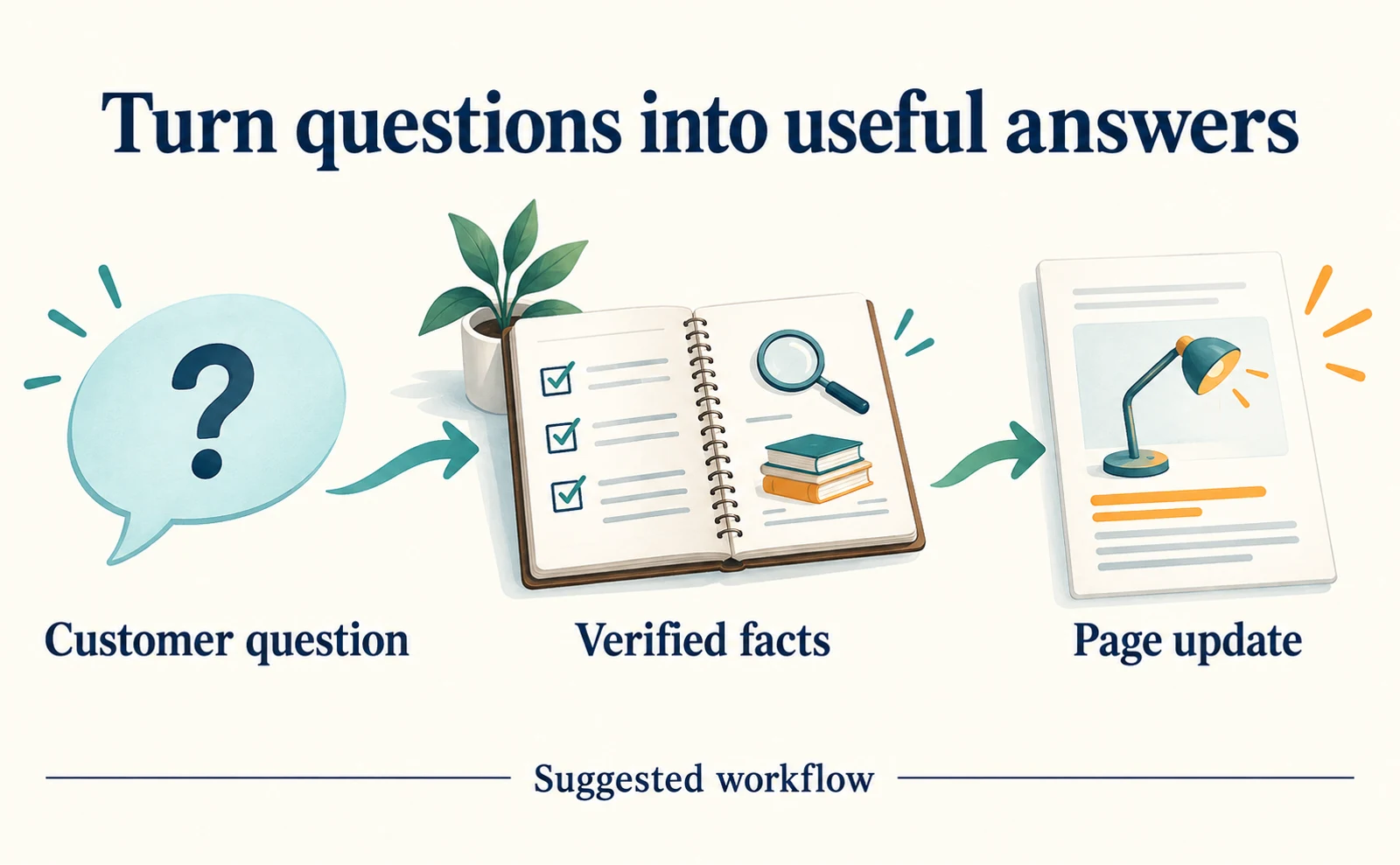
Open your product administration screen and recent customer inquiries. Choose an item that repeatedly attracts questions about size, suitability, or use. Prioritize a product whose specifications you can verify.
Post-purchase questions can help too. A customer who discovers a limitation after delivery points to information that may belong before the purchase. Keep the question, while removing names and order identifiers from the writing material.
Save the current public page or take a screenshot. Record the date of the change. If results shift later, this record lets you check exactly what you changed.
Replace vague praise with information that helps someone choose
Consider a fictional store selling laundry storage bags. The wording below is an editorial example, not a real product specification to copy into a store.
Before: A convenient storage bag for everyday life, with many possible uses.
That description does not say whether the bag can go into a washing machine or how much fits inside. Open the manufacturer's specifications and work through the missing answers.
| Buyer question | Evidence to check | Information to add |
|---|---|---|
| Can it go in the washing machine? | Manufacturer's instructions | Whether it can, and which methods to avoid |
| Will my clothes fit? | Internal dimensions and capacity | Usable size and loading guidance |
| Can it go in the dryer? | Care warnings | Whether it can, and any conditions |
| How is the larger size different? | Specifications for each size | Differences that help someone choose |
If the instructions prohibit tumble drying, include that limitation. A useful answer includes conditions a buyer needs before ordering. If the specification is unclear, check with the manufacturer before promising suitability.
Rewrite the opening sentence to explain what the item is and when it is used. Then use recurring buyer questions as headings, with concise answers underneath. Repeating the same keyword throughout a sentence does not make that answer more useful.
Edit the description in Shopify
Shopify is a service for building and running an online store. If you use it, open Shopify admin with an account allowed to edit products.
Choose Products, open the relevant product, edit its description, and save. Saved changes to an existing product take effect in the online store, so check the copy and specifications first.[2]
Advice comparing several products may belong on a collection page. A collection is a group of products. Go to Products → Collections, open the group, edit its description, and save.[3]
| Information to explain | First place to review |
|---|---|
| How this item works and its limitations | Individual product description |
| How to choose small, medium, or large | Relevant collection description |
| What the store sells | Homepage introduction |
Start with the chosen product and its collection. Pasting identical text across the entire catalogue can hide important differences between products.
The writing exercise also works for stores on other platforms, although their editing screens differ. Update the customer-facing product description, rather than changing only the short description used for search results.
Read the public page after saving
Saving text in an editor is not proof that customers can comfortably read it. Open the public storefront and check three things:
- The name, photo, price, and new explanation describe the same item.
- Buyers can find the selection advice and limitations before purchasing.
- Headings and tables fit on a phone, and the purchase button remains usable.
If the description is absent, inspect the display settings before adding more words. If it appears but does not help someone decide, check for missing conditions. A simple “suitable” may need an explanation of suitable for what.
To review page settings too, enter the public product URL into AgentSignal's free AIO check. Treat the findings as material for a page review. A diagnostic result does not prove that ChatGPT recommended the product or that sales increased.
Google says established SEO practices remain relevant to its AI search features; there is no special AI markup requirement that guarantees inclusion.[4] SEO means helping people find the relevant page through search.
Compare visits and purchases separately over the next 28 days
Record the changed page and date. Use equal-length comparison periods. A 28-day window is an operational example, not a promise that results appear within 28 days.
| Record | What it helps establish |
|---|---|
| Visits identifiable as AI referrals | Whether people actually arrived from AI tools |
| Organic search visits | Changes in other search entry points |
| Purchases and revenue | Outcomes after a visit |
| Discounts, advertising, and stock changes | Other explanations for movement |
AgentSignal's visit measurement requires its tracking tag on the target site. Follow the tag installation guide, then confirm that a known visit is recorded. Installing a tag does not recover visits from before installation.
If AI referrals rise, check which products receive them. If purchases do not rise, review remaining questions such as delivery timing and shipping costs. Use repeated observations under consistent questions alongside actual visits; one ChatGPT answer is not a continuing measurement programme.
For today's first task, choose a product that repeatedly draws the same question and add the verified answer to its page. That is a useful improvement even before deciding whether the store can support a daily blog.
FAQ
- Q. Which product should I start with?
- Choose a product that repeatedly attracts questions and whose specifications you can verify.
- Q. Will a description change guarantee ChatGPT inclusion?
- No. Improve the page and separately observe answers and actual visits after publication.
- Q. Can stores on other platforms use this?
- The writing exercise applies, but editing screens depend on the platform.
Sources
- [1] How a Small Shopify Store Quadrupled Its ChatGPT Traffic Without a Blog (Elinix AI) — accessed 2026-09-21
- [2] Adding and updating products (Shopify) — accessed 2026-09-21
- [3] Editing collection details and layout (Shopify) — accessed 2026-09-21
- [4] AI features and your website (Google) — accessed 2026-09-21
About the author
Shogo MizushimaCEO of kairos Inc. / AgentSignal Developer
Develops AgentSignal, a tool for measuring AI crawler visits and AI-referred traffic, and diagnosing AIO readiness. Writes about measurement and practical improvements for AI search using observed data.
Related articles
AIO and AI search
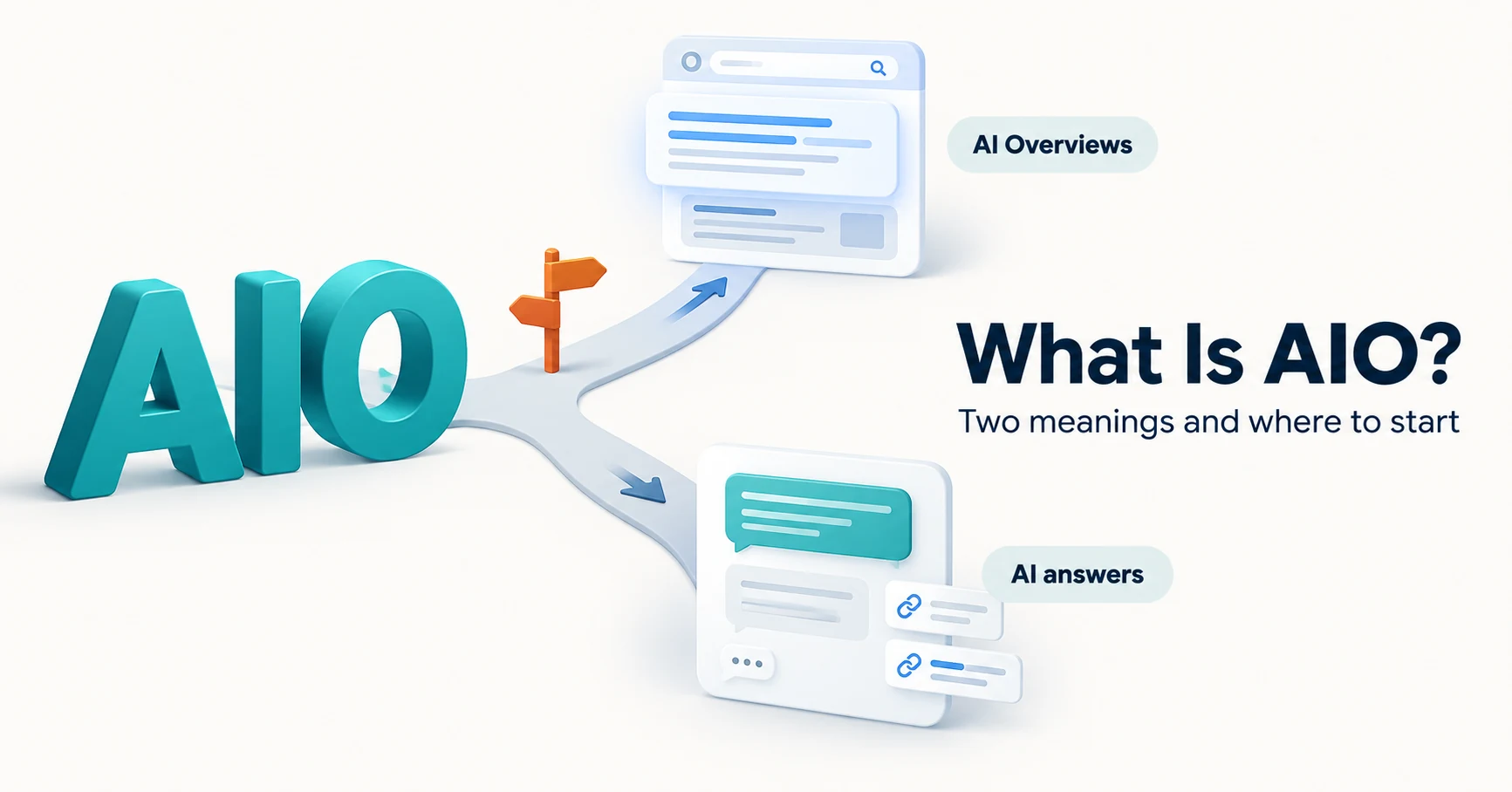
What Is AIO? Its Two Meanings and Where to Start with AI Optimization
AIO has two meanings: work to get your company featured in AI answers, and Google Search’s AI Overviews. Learn how it relates to SEO, what to confirm in a proposal, what Search Console and Bing reports show, and your first tasks.
Published
Case studies and research
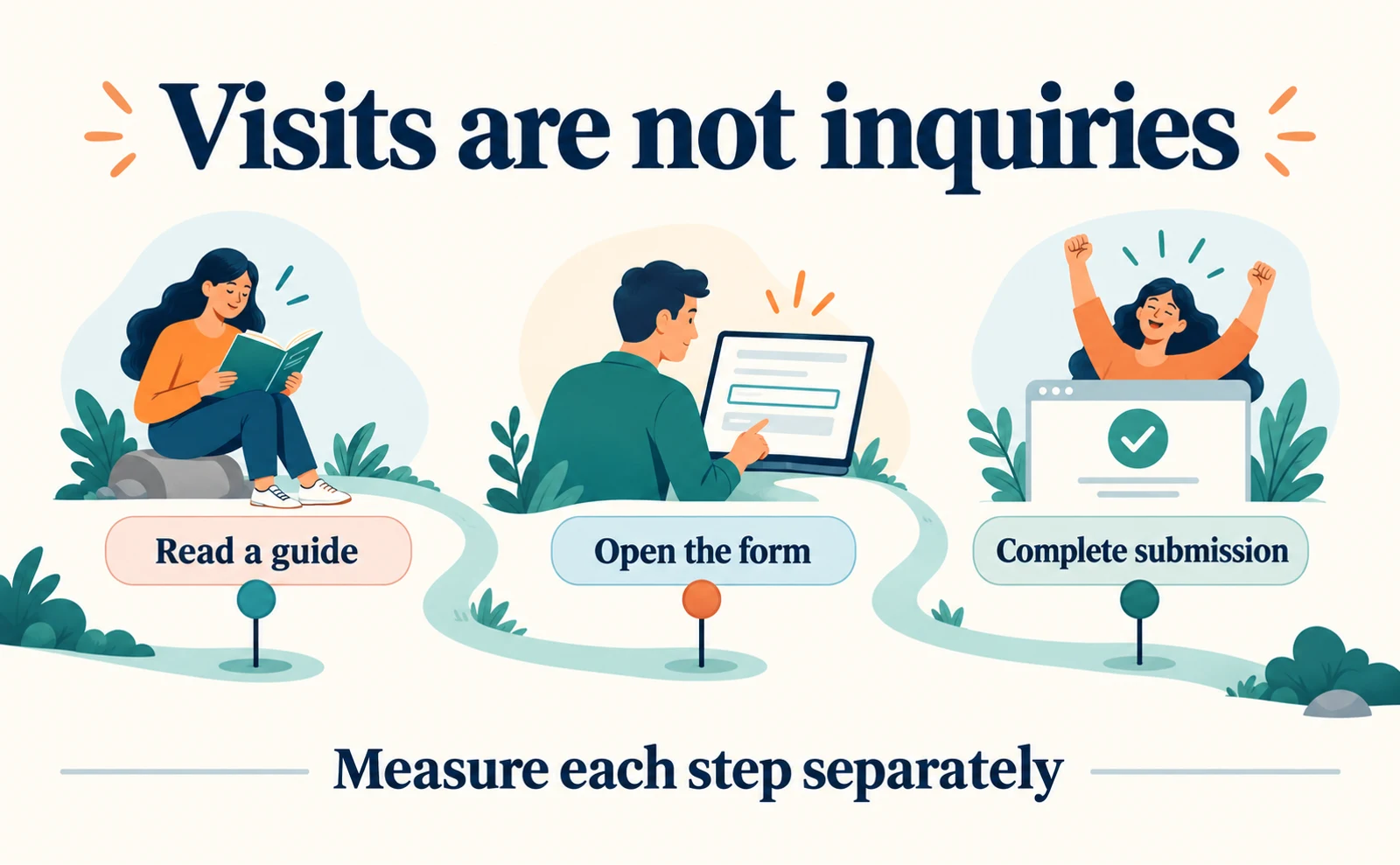
Search Visits Rose From 65 to 412. Were Inquiries Growing?
An agency reported organic growth but could not measure inquiry conversion. Use a known test to match form receipts with analytics, locate missing or duplicate events, and separate visits from business outcomes.
Published
Measurement and site improvement
How to Check and Fix Links from AI Answers That Won’t Open
If clicking a link in an AI answer shows “Page not found,” the cause is usually a move, a deletion or an outage. Learn to tell them apart from visit records and response codes, then fix redirects and notices.
Published