37.5% More Search Visits: A Manufacturer’s SEO and AI Case
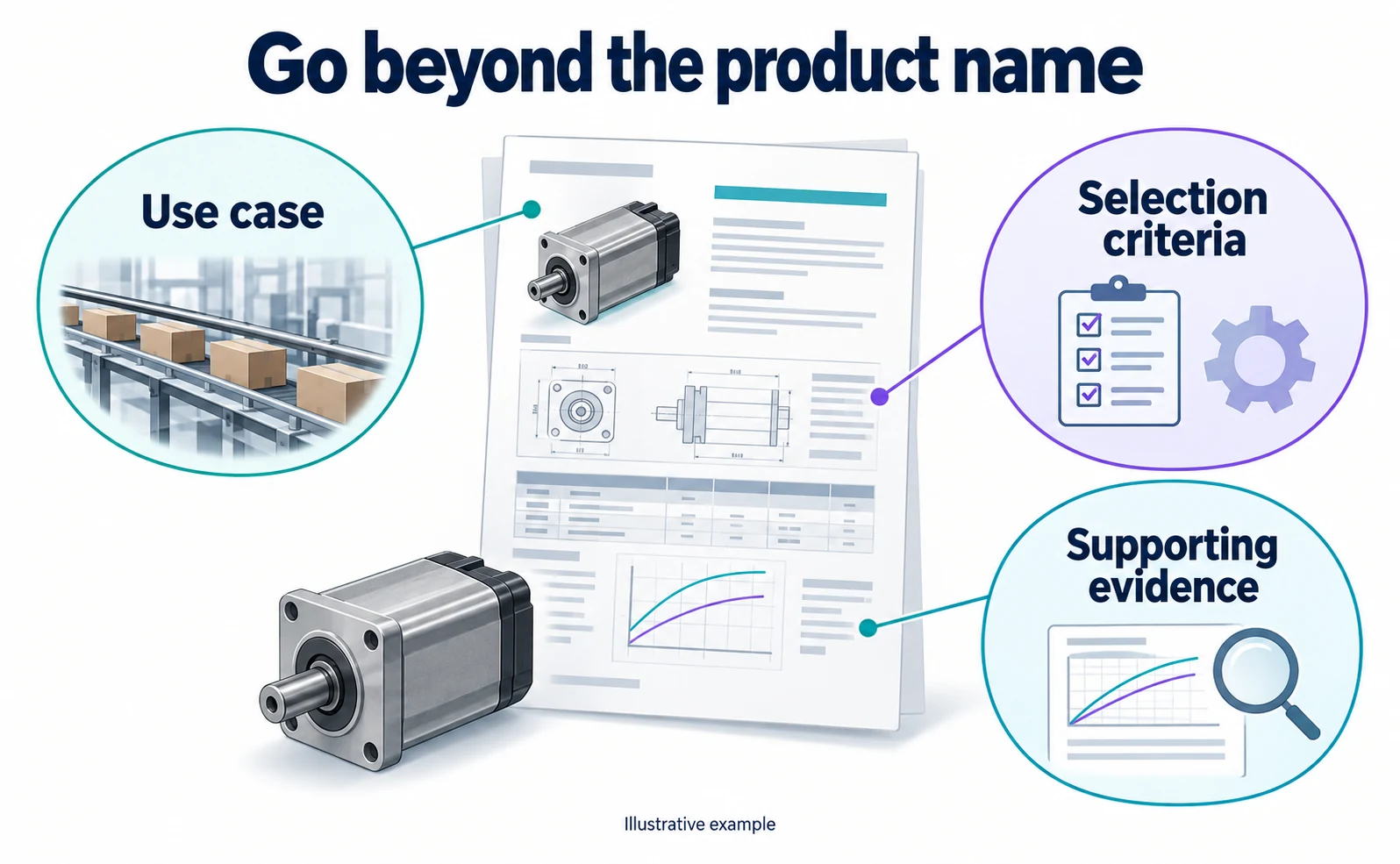
A specialist manufacturer reported 37.5% more organic search sessions after combined SEO and AI-search work. The useful lesson is how its content helped buyers choose, not a promise that AI optimization alone delivers that growth.
A specialist manufacturer reported 37.5% more organic search sessions after combined SEO and AI-search work. The useful lesson is how its content helped buyers choose, not a promise that AI optimization alone delivers that growth.
A manufacturing site may list model numbers and specifications yet attract mainly people who already know the company. Making an explanation easier to use does not require removing technical detail. It means arranging that detail around a buyer’s decisions.
SEO concerns visibility in search engines. AIO refers here to efforts to have a business or product accurately referenced in AI answers. We separate the provider’s published actions from our proposed exercise for applying the idea.
The reported outcome and work
Opal Infotech published the anonymous client case on September 15, 2026. Organic search sessions rose from 3,078 in March–May to 4,232 in June–August, an increase of 37.49%, rounded to 37.5% in our title.[1]
Reported work included product and category-page improvements, technical guides organized by ingredient grade and application, buyer-question answers, internal links and ongoing observation. Guides explained selection factors such as grade and viscosity.[1]
This is the agency’s report, not our independent verification. Several SEO and AI-search changes were made together. It does not prove that AIO alone caused the increase or that revenue rose by the same percentage.
The following steps are our proposed application of the lesson. They do not reconstruct an unpublished client workflow.
1. Choose one product and collect real sales questions
Start with a product that receives enquiries but is difficult to explain. Review sales emails, enquiry records and product documents. List questions customers actually asked, without carrying personal or confidential customer information into the public draft.
For an industrial adhesive, illustrative questions might concern suitable materials, operating conditions and sample availability. These are our examples, not records from the featured manufacturer.
| Buyer question | Evidence to check internally | Useful page content |
|---|---|---|
| Will it work on this material? | Compatibility tests | Suitable materials and exclusions |
| Which model should I choose? | Product specifications | A comparison of relevant differences |
| Can I try it before ordering? | Actual sample policy | Eligibility, cost and request process |
| When can it arrive? | Supply and dispatch conditions | Conditions requiring confirmation |
Leave unanswered questions with the product team. Do not let AI invent missing answers or broaden safety, compatibility or warranty claims for smoother copy.
2. Turn specifications into an explanation that supports a choice
Open the public product page and check whether the collected questions can be answered there. If information exists only in a PDF, consider bringing its publishable essentials into the page text.
Google’s AI-search guidance includes making important content available as text. It does not require a special AI file or dedicated new markup.[2]
Here is an original, fictional editing example.
Before
A high-quality industrial adhesive for a wide variety of uses. Contact us for details.
Suggested template
This product is intended for [verified material and application]. It is unsuitable under [excluded conditions]. Models A and B differ in [relevant specification]. Use the table below to compare them, and read the test conditions in [linked public document].
Fill the brackets with confirmed facts. A clear boundary helps a buyer shortlist a product more than an unsupported claim that it suits everything.
Choose comparison fields that affect a purchase decision. Keep units, test conditions and document versions consistent. If measurements use different conditions, show that difference next to the table.
3. Decide whether a new article is necessary
A single model’s usage conditions may belong on its existing product page. A decision involving several models may justify a selection guide.
For example, if the individual pages do not explain how to choose between models A and B, create one selection page and link to both products. From there, readers should be able to reach specifications, evidence and a real sample or enquiry process.
Do not generate near-identical pages by replacing material names. Google’s content guidance emphasizes usefulness and original value.[3] Create another page when there is another meaningful decision to explain.
4. Check three actions before publishing
Save a draft in the site’s content system and open its preview. Ask product and sales staff to check:
- Can someone unfamiliar with the product judge whether it fits their application?
- Do specification and test-document links open the correct versions?
- Does the sample or quotation route explain what to submit and what happens afterwards?
Do not invent a sample programme. If requests are handled through a general enquiry, explain which application and quantity details are useful. Test submissions in an agreed test environment.
Record the publication date, changed URL and questions answered. Without a change record, it is harder to connect later observations to specific work.
5. Measure discovery and enquiries separately
Track search exposure, mentions in AI answers, site visits and enquiries as distinct stages.
| Question | Record |
|---|---|
| Is the page appearing in search? | Page impressions, clicks and search terms |
| Does AI recommend the product? | Fixed question, AI service, date, answer and links |
| Does AI send visits? | Identified AI referrals and landing pages |
| Does this support sales? | Relevant, qualified enquiries associated with the page |
Also record analytics changes, exhibitions and advertising. A rise in enquiries should not automatically be attributed to the article.
AgentSignal’s AI traffic view supports examining identified AI referrals by landing page and period. This connects citation observations with actual visits. For outcome measurement, see the AI traffic and conversion guide.
A practical first task is to choose one product and three real sales questions. Check whether its page provides the answer, the evidence and a useful next action. That gives the work a clearer purpose than simply adding more articles.
FAQ
- Q. Does 37.5% refer to revenue?
- No. It refers to organic search sessions in an agency-reported case involving multiple changes.
- Q. Should technical terminology be removed?
- Keep model numbers, standards and units needed for a decision. Explain their meaning and conditions, and link to evidence.
- Q. Is a new article the first step?
- First check the existing product page. Create a separate guide when it serves a distinct decision, such as choosing between products.
Sources
- [1] Case Study: SEO + GEO for a Specialty Chemicals Manufacturer (Opal Infotech) — accessed 2026-09-22
- [2] AI features and your website (Google Search Central) — accessed 2026-09-22
- [3] Creating helpful, reliable, people-first content (Google Search Central) — accessed 2026-09-22
About the author
Shogo MizushimaCEO of kairos Inc. / AgentSignal Developer
Develops AgentSignal, a tool for measuring AI crawler visits and AI-referred traffic, and diagnosing AIO readiness. Writes about measurement and practical improvements for AI search using observed data.
Related articles
Case studies and research
Go Fish Digital’s GEO Case: Four Decisions Before Adding Articles
What do Go Fish Digital’s reported 83.33% increase and 25x figure actually measure? This article explains the numbers, then shows how to organize buyer questions, record a baseline, and add answers to pages, using a fictional pricing page.
Published
AI shopping and booking
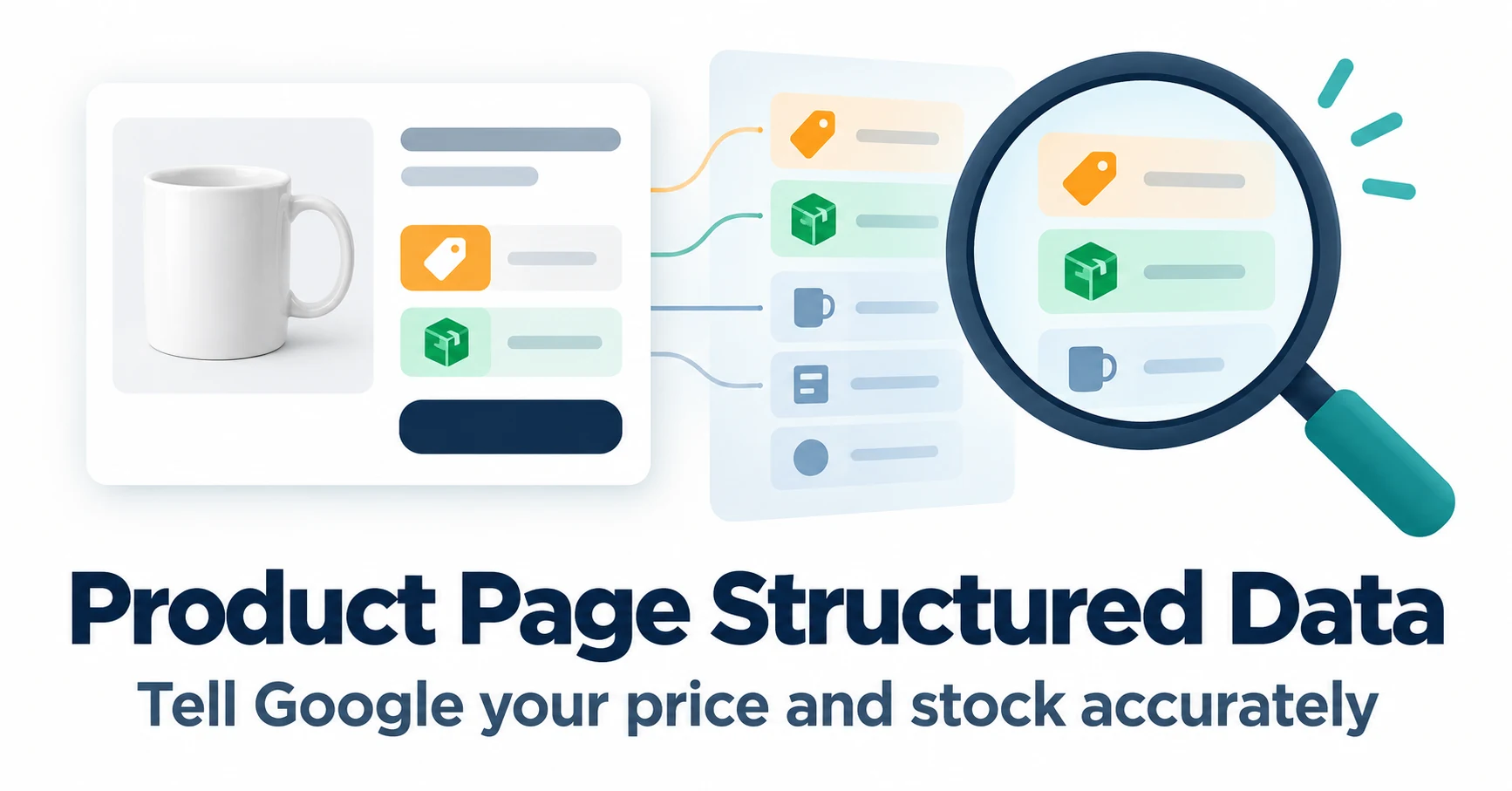
What Is Product Page Structured Data? Price and Stock Examples and Checks
Product page structured data tells Google a product’s name, price and availability. This guide shows a single-product JSON-LD example, testing and URL Inspection, and how to keep prices and stock aligned after price cuts or sell-outs. It also explains why AI search does not require special markup.
Published
Measurement and site improvement
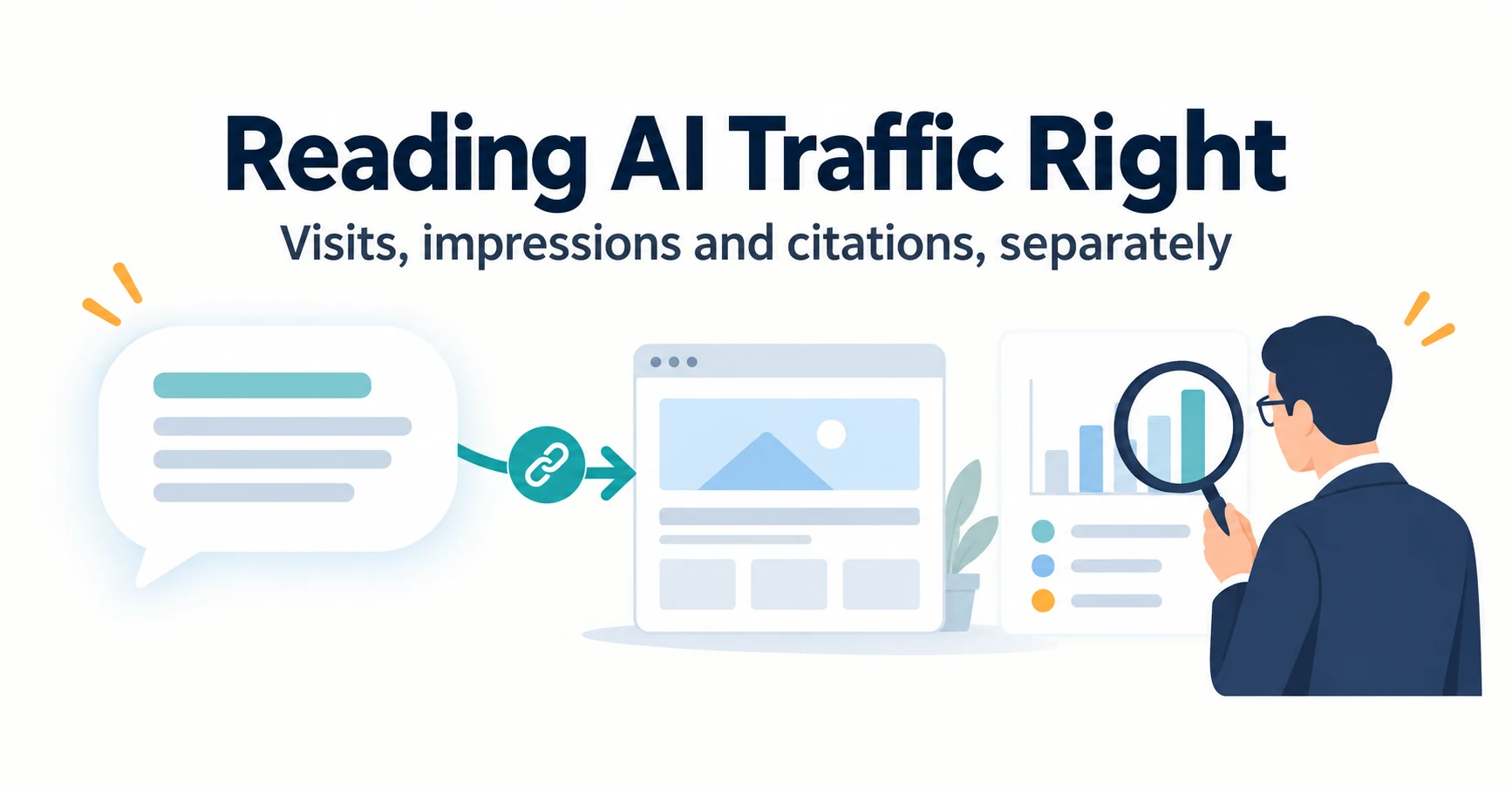
What Is AI Traffic? How to Check It in GA4 and Read the Results
AI traffic means visits that arrive through links in AI answers. Learn how to check it with GA4’s AI Assistant channel, and how to read it separately from Search Console’s generative AI report and Bing’s Citation Share.
Published