51% of US consumers use AI shopping tools. How much has product selection changed?
That does not mean AI placed 51% of orders. It is the share of US consumers who reported using at least one AI-powered shopping tool during the past month.
More than half of US consumers have used AI to support shopping. The figure NIQ published on September 24, 2026, is 51%.[1]
That does not mean AI placed 51% of orders. It is the share of US consumers who reported using at least one AI-powered shopping tool during the past month.
Product recommendations and shopping-assistant conversations can both fall within AI shopping. Here is what the figure measures, and what an ecommerce team can measure for itself.
What does the 51% AI shopping figure count?
The population is US consumers, the period is the past month, and the activity is using an AI-powered tool to support shopping. NIQ published the finding from its Agentic Commerce Tracker.[1]

Keep those three conditions attached when presenting the number.
| Condition | Meaning in this announcement |
|---|---|
| Who | US consumers |
| When | During the past month |
| What | Reported using at least one AI-powered shopping tool |
It is not a figure for Japanese consumers, nor a traffic share for a particular website. A response to a consumer survey cannot simply be substituted for a site's visitor count.
For example, someone might ask an AI about a product and later search for the store by name. This is a hypothetical illustration of a possible path, not a customer journey reported by NIQ.
“Did you use AI?” and “Where did this visit come from?” are different questions.
Recommendations at 20% and shopping assistants at 16% describe different uses
NIQ reports 20% using AI product recommendations and 16% using personal shopping assistants. AI shopping encompasses more than one type of activity.[1]

Recommendations suggest products. A shopping assistant can help someone choose based on stated preferences. Using either does not necessarily mean delegating the purchase itself.
What the announcement tells us, and which conditions are not disclosed
The release we checked did not provide the sample size, full questionnaire, detailed fieldwork dates or overlap rules for these categories.[1]
We therefore do not add 20% and 16% to claim 36%. The public information does not establish whether the same people used both.
For the same reason, a pie chart would be inappropriate unless the categories were confirmed to be mutually exclusive parts of a whole.
The announcement is evidence to consider when discussing AI's role in US product selection. Understanding your own customers still requires separate observation.
Does your product page provide the information needed for product selection?
A practical starting point is whether the product page answers the questions a shopper needs to compare options. The following is our editorial recommendation, not an intervention tested by this survey.
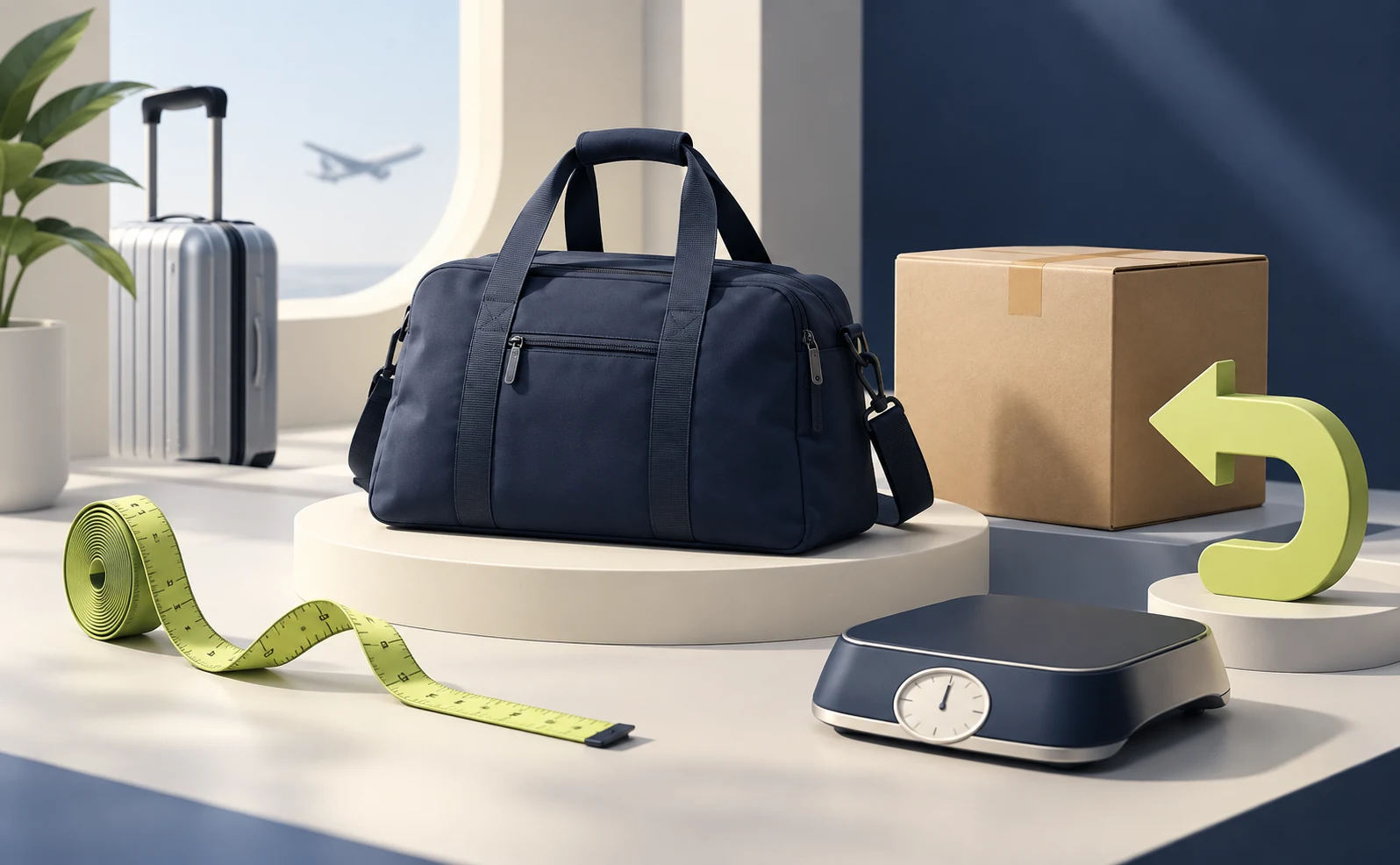
Consider a shopper looking for a bag for a weekend trip that can be carried into an aircraft cabin. “Perfect for travel” does not provide dimensions or capacity.
| Shopper's question | Information to check on the page |
|---|---|
| Is it an appropriate size to carry? | External dimensions, weight and capacity |
| When will it arrive? | Stock, expected dispatch and destination restrictions |
| What if it does not suit me? | Return deadlines and exclusions |
This bag is a hypothetical example. Cabin baggage rules depend on the airline and other conditions, so a product page should not make an unconditional guarantee.
Choose one product that generates frequent questions. Check whether the page answers those questions. Any subsequent change in AI mentions or sales is an outcome to measure after the edit, not a promised result of it.
Our Azoma product-discovery case study discusses product information and discovery through AI in more detail.
Measure AI usage, visits and sales separately
Separate observations of AI answers, visits to your site and purchases. NIQ's 51% does not need to become a target for any of these metrics.
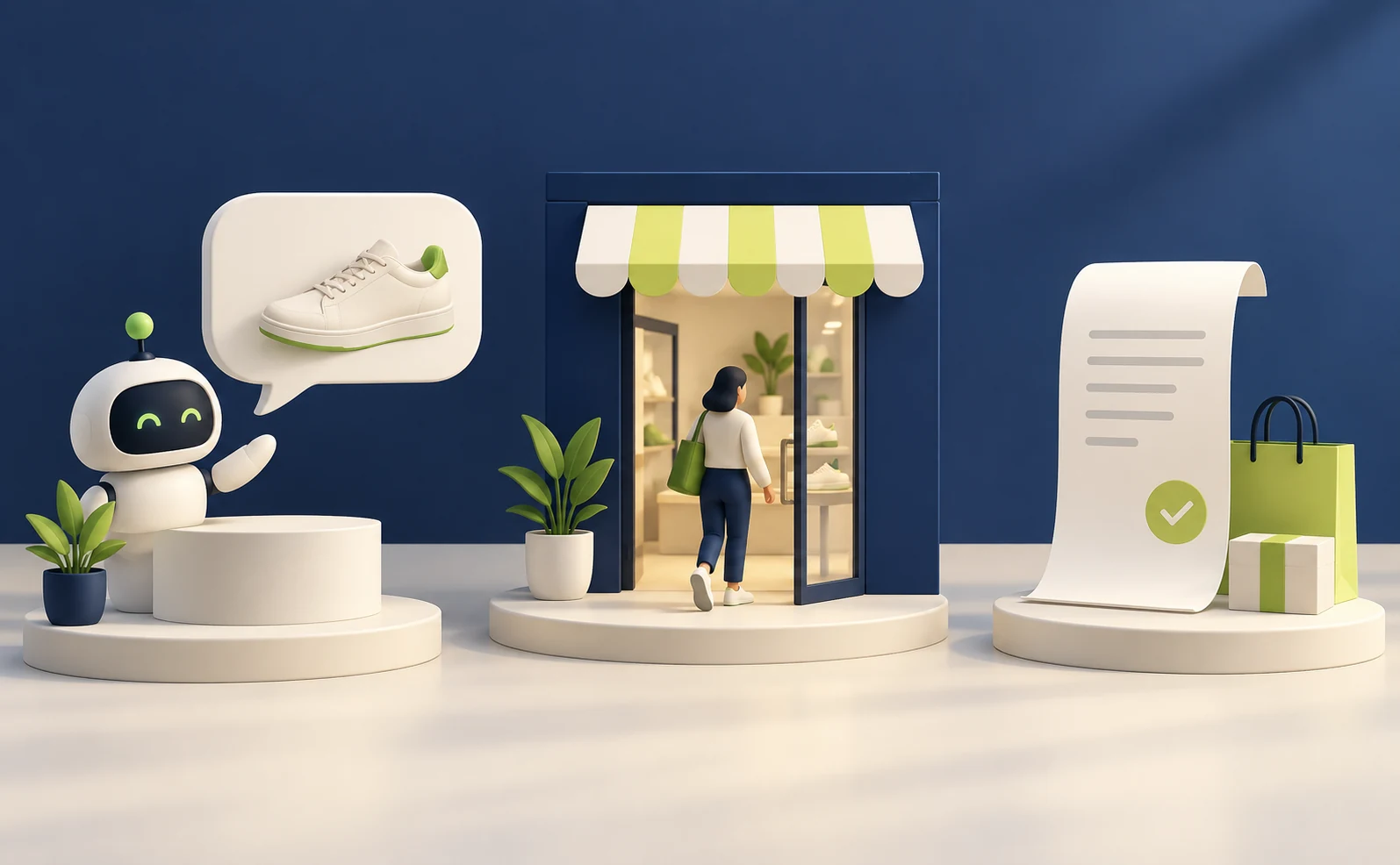
| What you want to understand | Example record |
|---|---|
| AI product recommendations | Question, date, service, recommended product and URL |
| Visits to your site | Observable referrer, landing page and visit count |
| Purchases | Order count, value and identifiable path |
| Customer-reported discovery | Response to “How did you hear about us?” and how it was collected |
This is an editorial measurement framework. Keep an analytics-observed path separate from a path the customer reports.
Do not classify every visit with an unknown referrer as AI traffic. Consistent, observable records make before-and-after comparisons more useful than larger numbers built on assumptions.
One product and one question are enough to begin. Record when you changed the page, then keep comparable observations of AI answers, visits and purchases. These records help determine what to investigate next.
FAQ
- Q. Does 51% mean the share of sales generated through AI?
- No. It is the share of US consumers reporting at least one AI-powered shopping tool during the past month.
- Q. Can the 20% and 16% categories be added?
- No. The checked release does not establish whether the categories overlap, so we do not add them.
Sources
- [1] NIQ: Majority of U.S. Consumers Now Use AI to Shop — accessed 2026-09-26
About the author
Shogo MizushimaCEO of kairos Inc. / AgentSignal Developer
Develops AgentSignal, a tool for measuring AI crawler visits and AI-referred traffic, and diagnosing AIO readiness. Writes about measurement and practical improvements for AI search using observed data.
Related articles
AI shopping and booking
Same AI, different doors: why Amazon blocked Muse while Shopify offers a connection
Amazon has reportedly blocked Meta's AI agent, Muse. Meanwhile, Shop's official help lists Muse as an example of a supported AI platform.
Published
AI shopping and booking
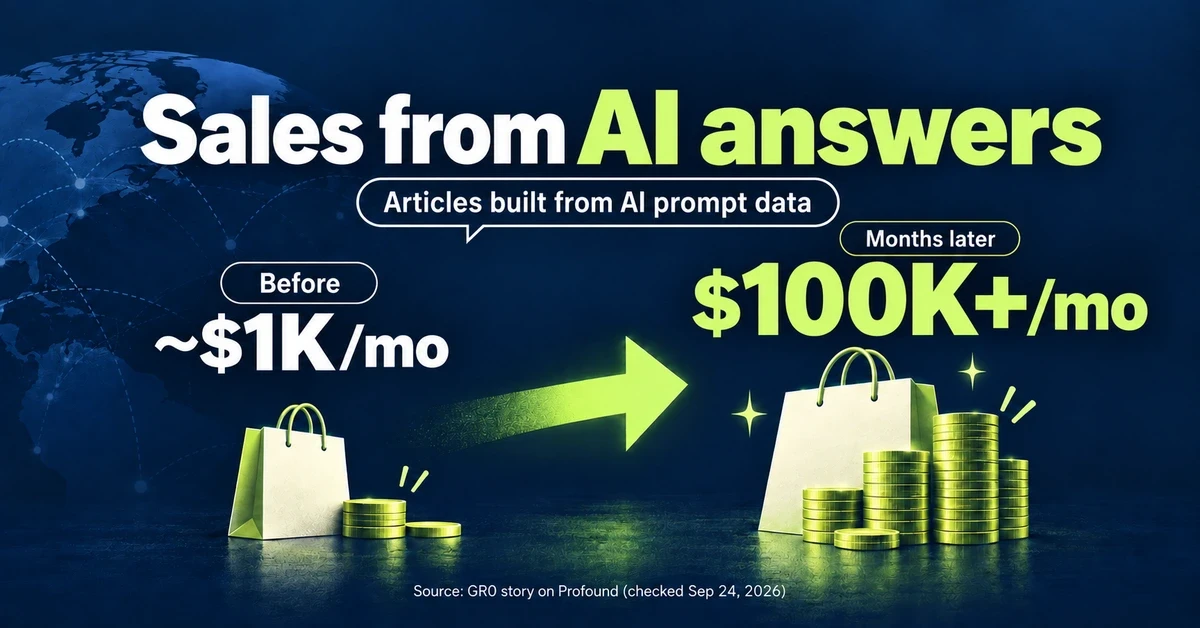
From about $1K to over $100K a month: What did an overseas brand write to grow sales from AI search?
GR0 reports that a beauty and wellness brand's monthly sales through AI answers grew from about $1,000 to over $100,000 within months. The brand chose article topics based on AI prompt data. Here is the case in brief, plus three steps to check your own product pages.
Published
AI shopping and booking
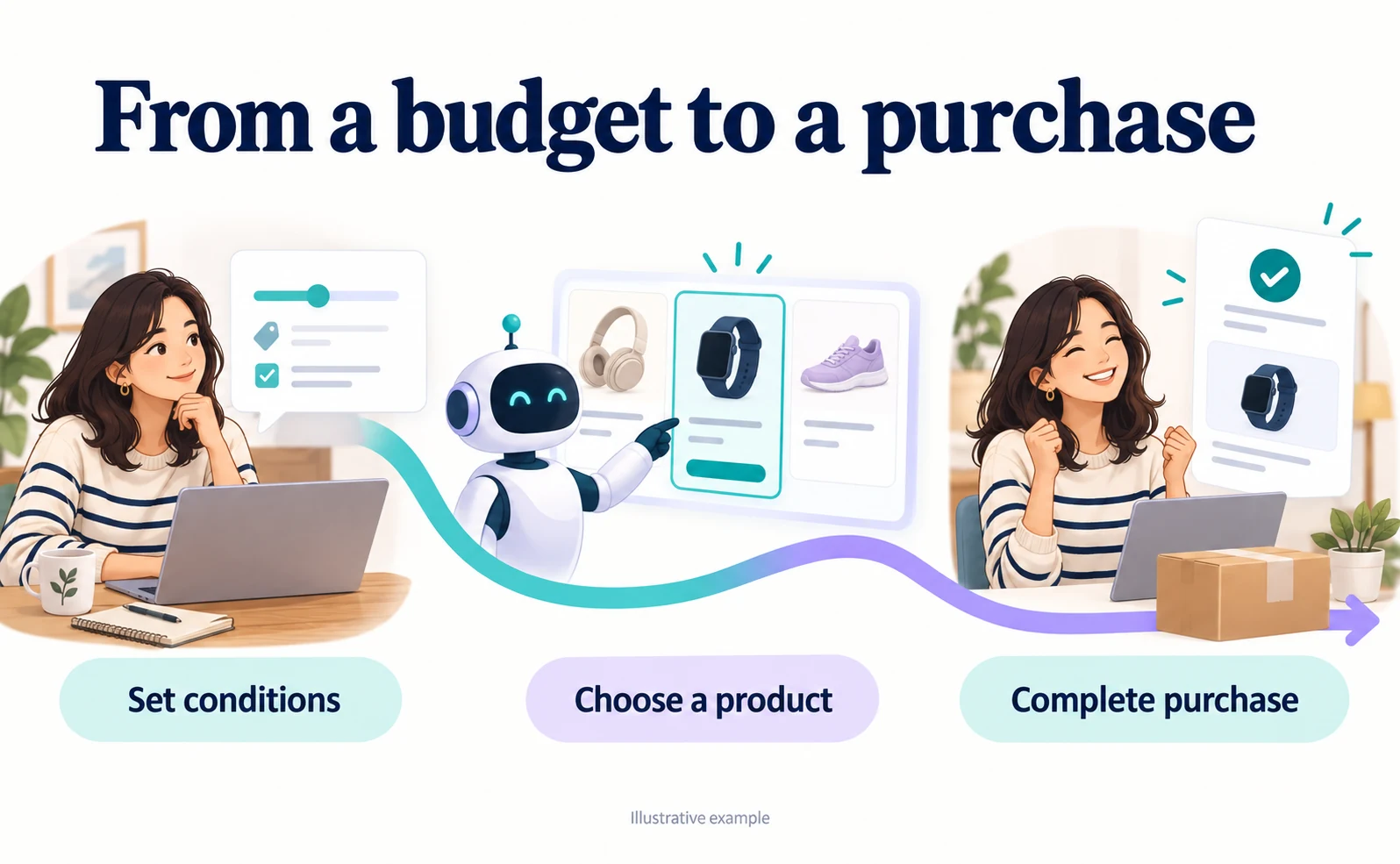
From Budget to Purchase: Mastercard’s Canadian AI Trial
An AI assistant has completed a purchase within a shopper’s stated budget in a transaction announced in Canada. The task went beyond recommending a product.
Published