Same AI, different doors: why Amazon blocked Muse while Shopify offers a connection
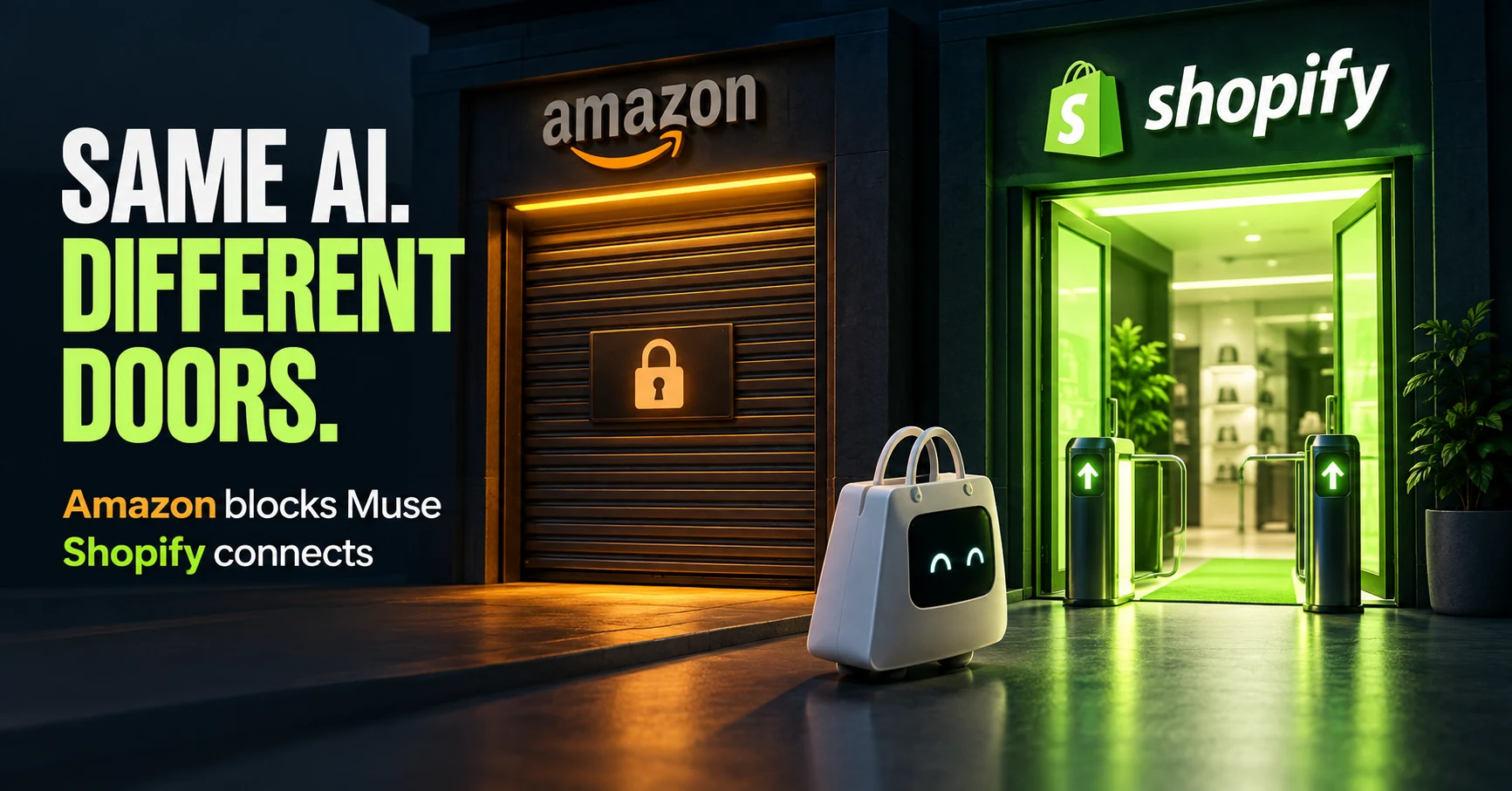
Amazon has reportedly blocked Meta's AI agent, Muse. Meanwhile, Shop's official help lists Muse as an example of a supported AI platform.
The same AI arrives to shop. One store blocks it; another offers a way to connect.
Amazon has reportedly blocked Meta's AI agent, Muse. Meanwhile, Shop's official help lists Muse as an example of a supported AI platform.[1][3]
The difference involves more than confidence in the AI's capabilities. Who is visiting, has the store agreed to participate, and who approves the purchase? These are distinct questions for an ecommerce team.
How Amazon and Shopify have responded to the AI agent Muse
Amazon has blocked Muse, while Shopify's Shop explains how to connect with supported agents. This does not establish that Amazon rejects every AI service or that every Shopify store permits every automated transaction.[1][3]
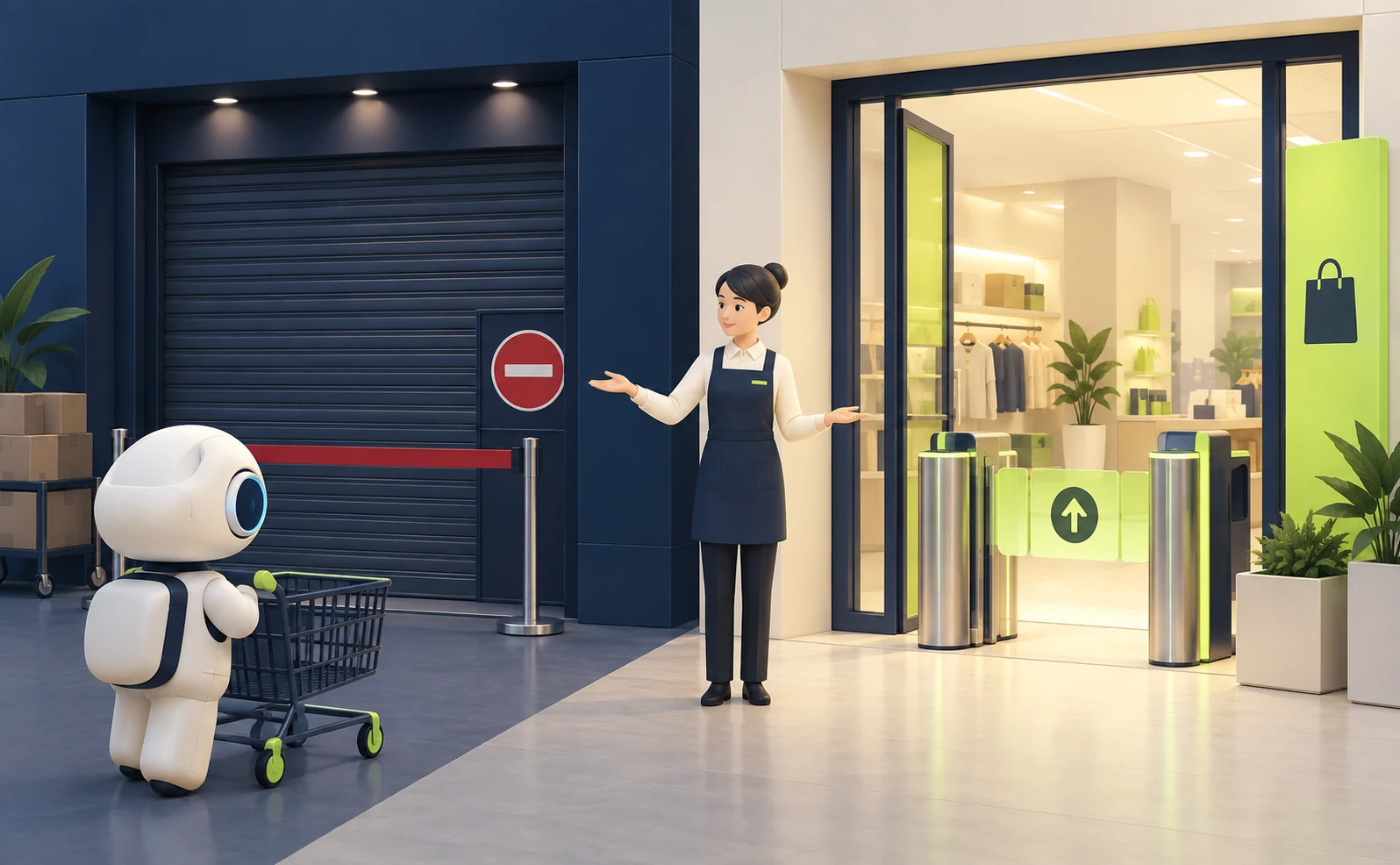
GeekWire reported the Amazon block on September 20, 2026. Shop's official help, checked on September 26, describes connections with supported services such as Muse.
The help page also says available features depend on the agent, store, payment method and transaction. Its update date was not visible, so it cannot establish a particular day when every store became available.[3]
| Source checked | What it establishes | What it does not establish |
|---|---|---|
| Amazon reporting | A reported block on Muse | A permanent ban on every AI service |
| Shop help | Instructions for supported connections | Automatic purchases across every store and transaction |
For an ecommerce team, the practical lesson is that “Should we welcome AI?” is only the first question. Product search and order confirmation require different decisions.
Amazon's concern about agent identification, and Meta's explanation
Amazon raised concerns about Muse identifying itself openly and respecting a service provider's decision to participate. Concerns about credentials were also reported as Amazon's position.[1]
A company's concern should not be presented as a confirmed incident. This reporting does not establish that passwords were leaked.
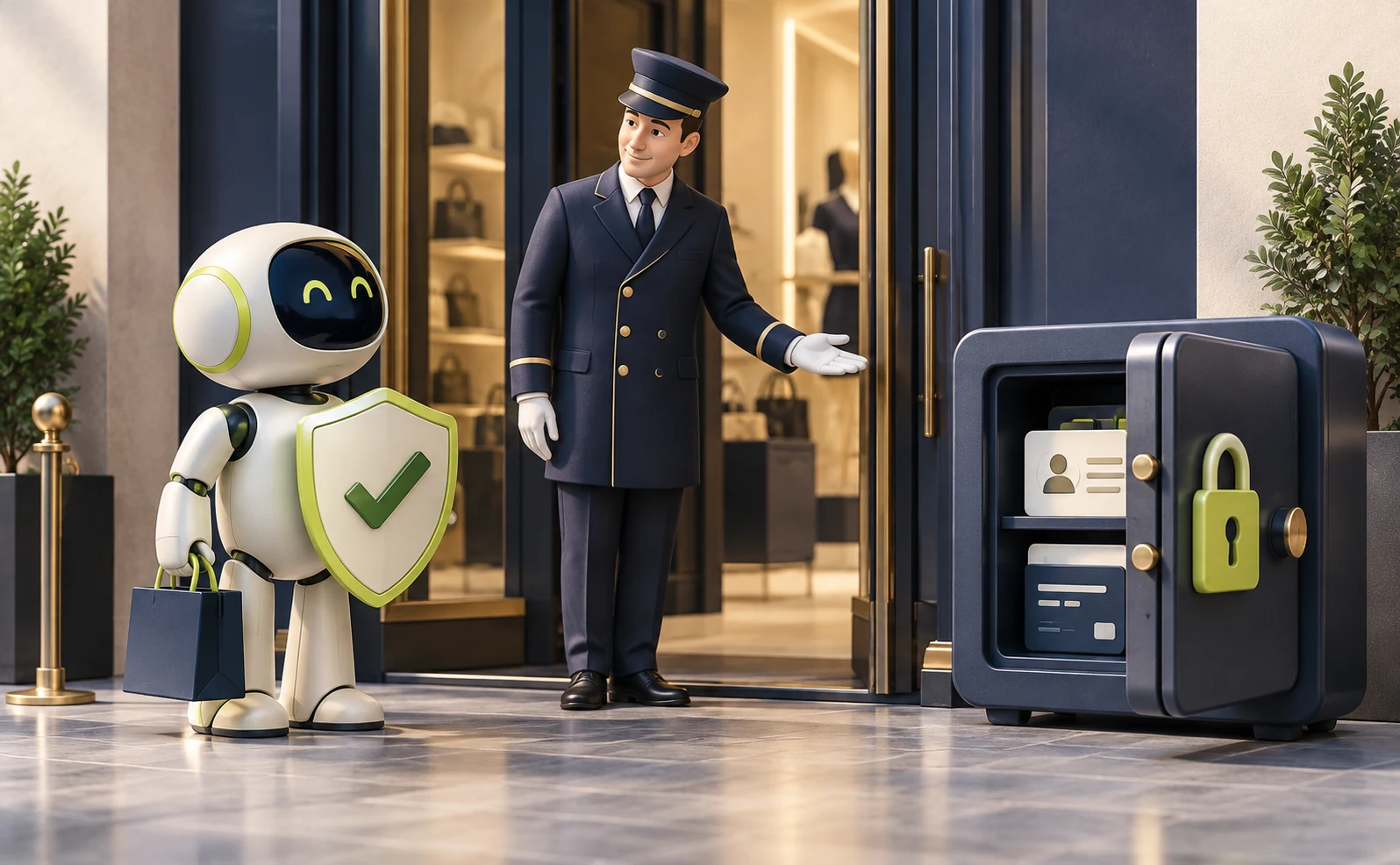
In its September 8 announcement, Meta described secure credential storage that keeps passwords and payment details out of Muse's view. It also described user confirmation before a purchase.[2]
An AI provider's security explanation and a store's agreement to accept its visits are separate matters.
For example, an ecommerce team might decide whether an approved integration and an unconnected automated visitor should have the same access. This is our editorial interpretation of the issue, not a claim about either company's internal implementation.
Under what conditions does Shopify support AI purchases?
Shop's help describes connecting an AI platform, searching for products and approving purchases. The ability to connect should not be read as unrestricted permission to pay.[3]
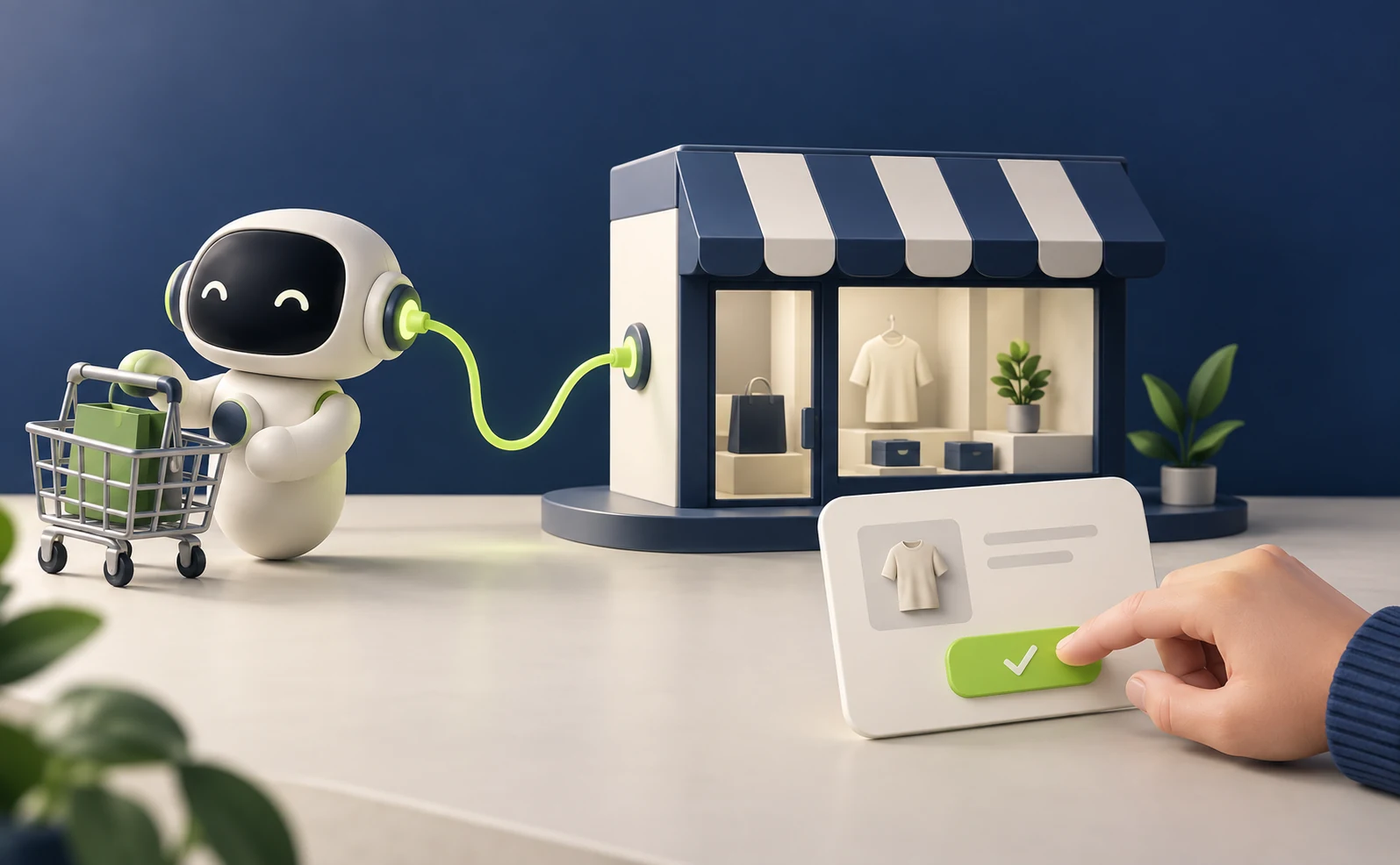
Separate connecting to Shop from approving a purchase
A connection enables an AI service to use Shop features. Purchase approval concerns a specific order: its products, quantities and total price.
The help describes reviewing and approving purchases by default. Available settings and approval arrangements vary with the service and other conditions, so implementation teams should inspect the actual flow for their intended transaction.[3]
Meta's September 8 announcement described Shop Pay support as forthcoming. Keeping that dated announcement separate from the subsequently checked help page avoids confusing a planned integration with its later availability.[2][3]
Our article on Muse and Stripe Link provides more context on the payment connection.
What your store should decide about identity and permitted actions
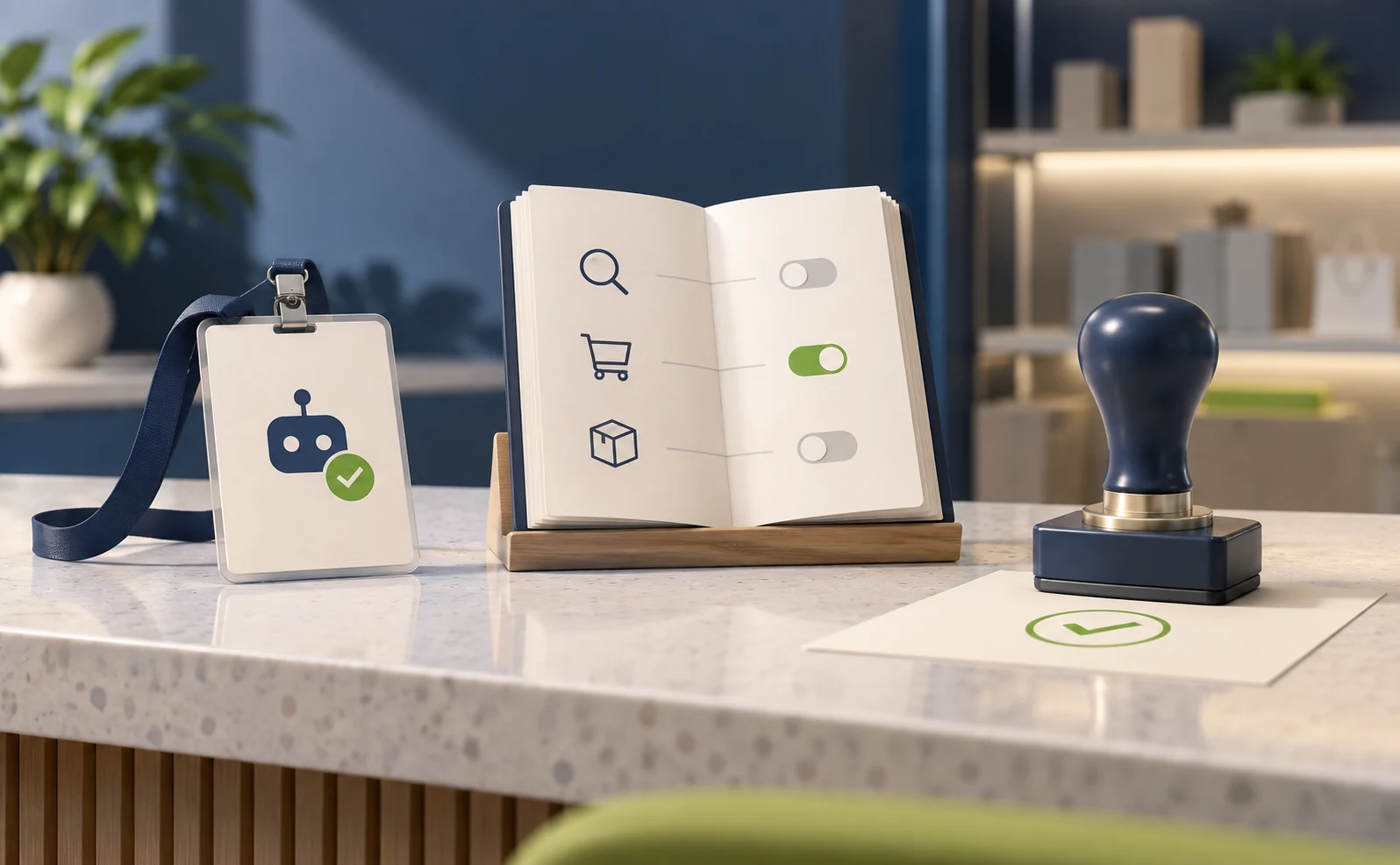
Separate visitor verification, permitted operations and order approval. The following is an editorial worksheet for discussions with your ecommerce and development teams.
| Decision | Concrete question |
|---|---|
| Visitor verification | Which AI service can we verify as the visitor? |
| Permitted operations | Do we allow search only, cart additions, or orders too? |
| Order approval | Who confirms the products, quantities and total? |
| Records | Can we record which action succeeded and where it stopped? |
Web Bot Auth concerns identity; WebMCP describes operations
Web Bot Auth uses mechanisms including signatures in HTTP requests to verify a bot's identity. A valid signature does not, by itself, grant permission to buy from a store.[4]
WebMCP lets a site expose available operations as tools for AI. Describing a product-search operation serves a different purpose from verifying the visitor's identity.[5]
We have not established that Muse uses Web Bot Auth or WebMCP in this case. These mechanisms help explain the separate problems raised by the news.
Start by naming one operation you want an agent to perform, such as product search. Then specify who can use it and where human approval becomes necessary. That turns a broad goal of “supporting AI” into a decision your team can implement and review.
FAQ
- Q. Can Muse automatically buy anything through Shopify?
- No. Available features depend on the agent, store, payment method and transaction. A connection and approval of a purchase are separate checks.
- Q. Are Web Bot Auth and WebMCP the same?
- No. Web Bot Auth concerns bot identity verification; WebMCP exposes available site operations to AI. Neither alone grants permission to purchase.
Sources
- [1] Amazon blocks Meta’s Muse — accessed 2026-09-26
- [2] Meta Muse official launch — accessed 2026-09-26
- [3] Using Shop with AI agents and agentic platforms — accessed 2026-09-26
- [4] Web Bot Auth — accessed 2026-09-26
- [5] WebMCP Draft Community Group Report — accessed 2026-09-26
About the author
Shogo MizushimaCEO of kairos Inc. / AgentSignal Developer
Develops AgentSignal, a tool for measuring AI crawler visits and AI-referred traffic, and diagnosing AIO readiness. Writes about measurement and practical improvements for AI search using observed data.
Related articles
AI shopping and booking
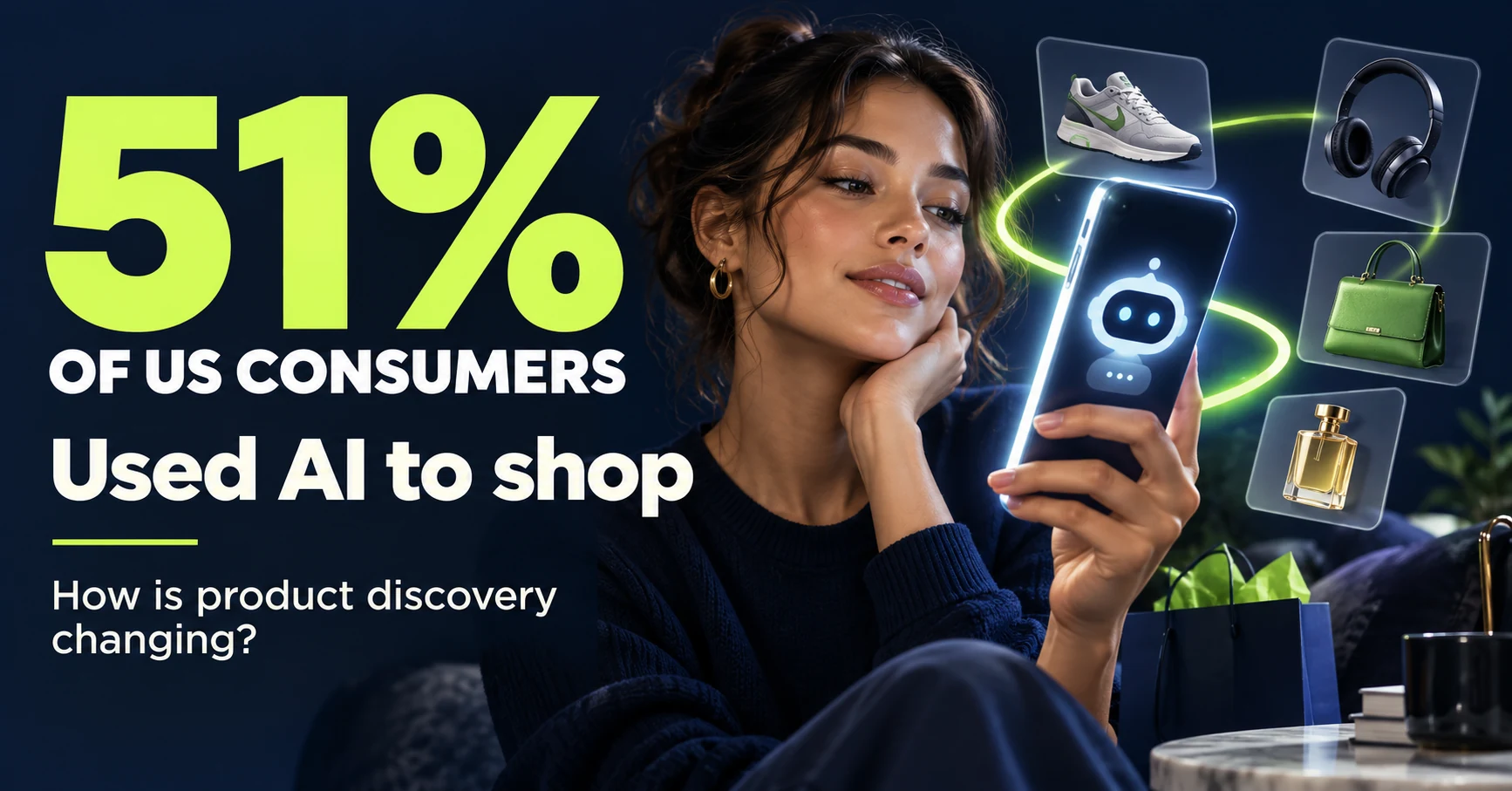
51% of US consumers use AI shopping tools. How much has product selection changed?
That does not mean AI placed 51% of orders. It is the share of US consumers who reported using at least one AI-powered shopping tool during the past month.
Published
AI shopping and booking
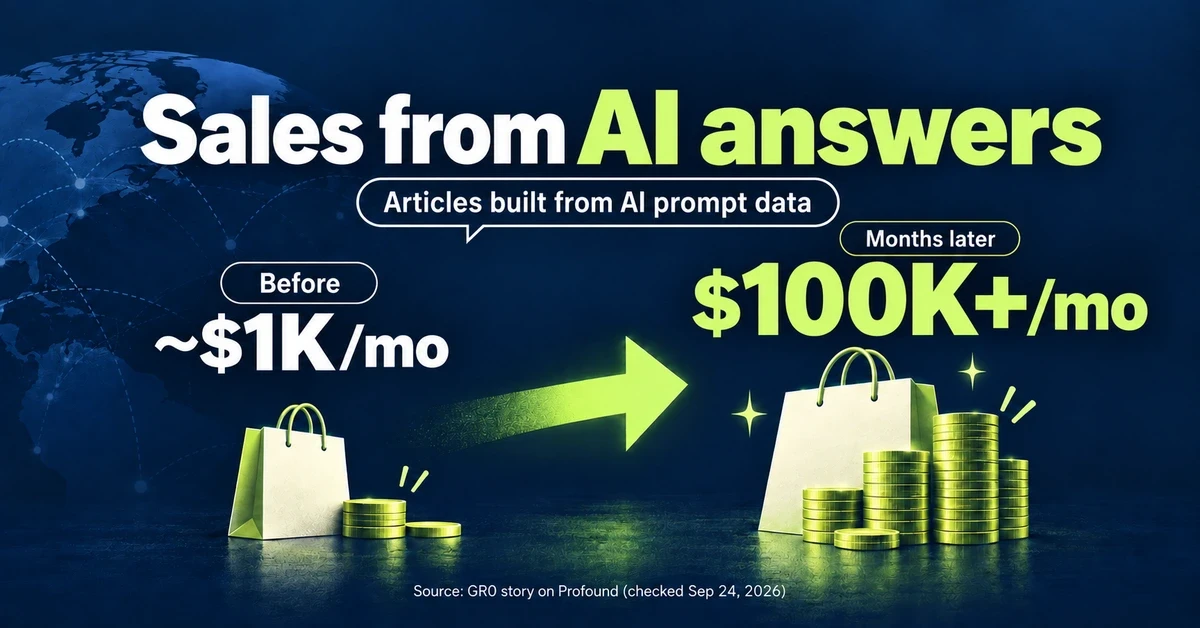
From about $1K to over $100K a month: What did an overseas brand write to grow sales from AI search?
GR0 reports that a beauty and wellness brand's monthly sales through AI answers grew from about $1,000 to over $100,000 within months. The brand chose article topics based on AI prompt data. Here is the case in brief, plus three steps to check your own product pages.
Published
AI shopping and booking
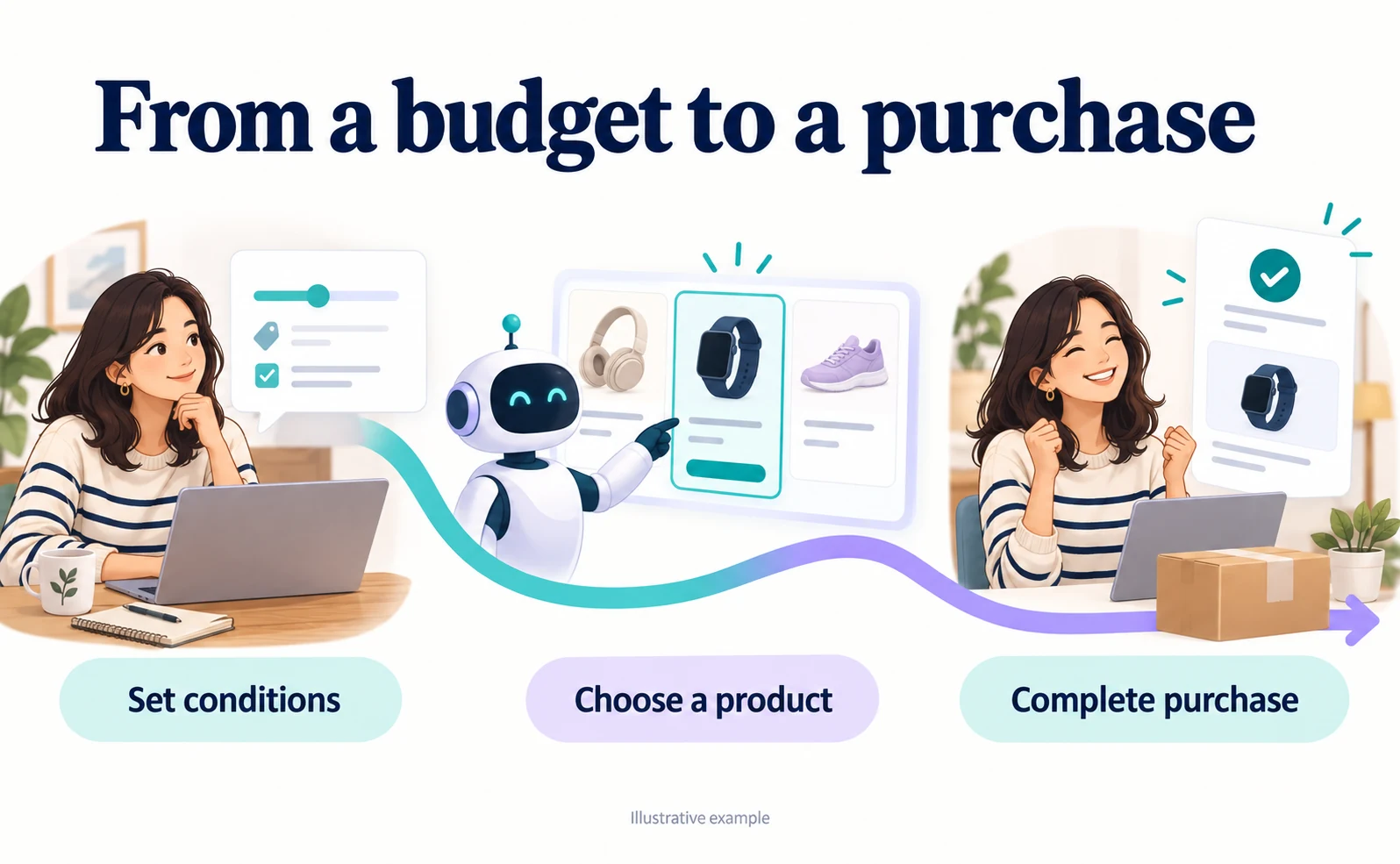
From Budget to Purchase: Mastercard’s Canadian AI Trial
An AI assistant has completed a purchase within a shopper’s stated budget in a transaction announced in Canada. The task went beyond recommending a product.
Published